Cereb Cortex 15:448459 Dallas S, Miller DS, Bendayan R (2006) Multidrug resistance-associated proteins: expression and function in the central nervous system
In addition to the compelling evidence pointing to diabetes links to Alzheimers, obesity is a known risk factor
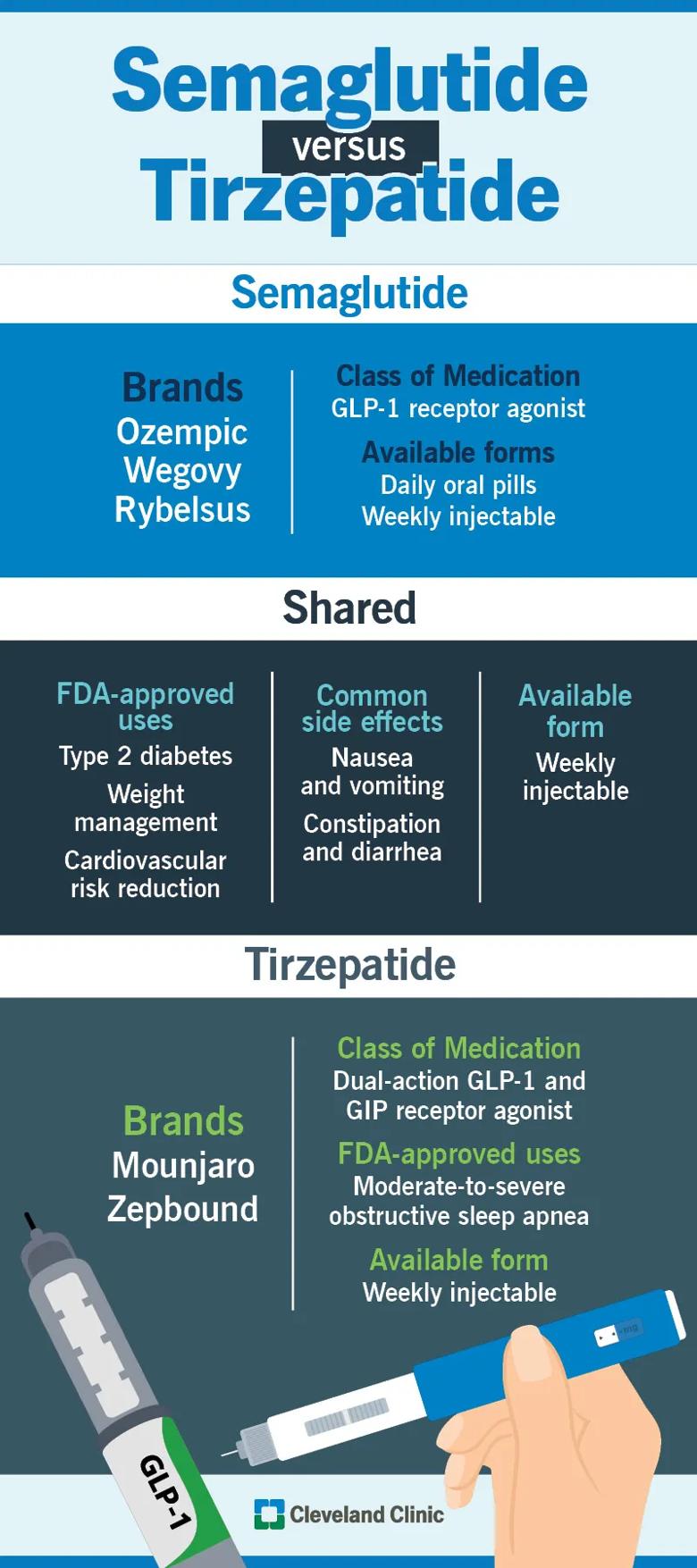
A healthcare provider can help identify ways to manage common side effects or may recommend a different medication

Patients should contact their GP or diabetes care team if they experience: Severe or persistent abdominal pain , particularly if localised to the upper abdomen, which may indicate pancreatitis (a rare but serious adverse effect) Persistent vomiting that prevents adequate fluid or food intake, risking dehydration Signs of dehydration , including reduced urine output, dizziness, dry mouth, or confusion Severe diarrhoea lasting more than 48 hours Unexplained weight loss beyond what is expected from the medication's therapeutic effect Symptoms of gastroparesis (severe delayed gastric emptying), such as early satiety, persistent nausea, vomiting undigested food, or severe bloating Right upper quadrant pain, fever, jaundice, pale stools or dark urine , which may indicate gallbladder disease (a known risk with GLP-1 receptor agonists and weight loss) [5] [11] Markedly reduced urine output , which may indicate acute kidney injury from dehydration Immediate medical attention (999 or A&E) is required if: Severe, unrelenting abdominal pain develops, especially if radiating to the back There is persistent vomiting with inability to keep down fluids Signs of acute pancreatitis appear (severe upper abdominal pain, fever, rapid pulse) If pancreatitis is suspected, semaglutide should be stopped immediately and urgent medical assessment sought