Pharmacokinetics and Pharmacodynamics of LCZ696, a Novel Dual-Acting Angiotensin Receptor-Neprilysin Inhibitor (ARNi)

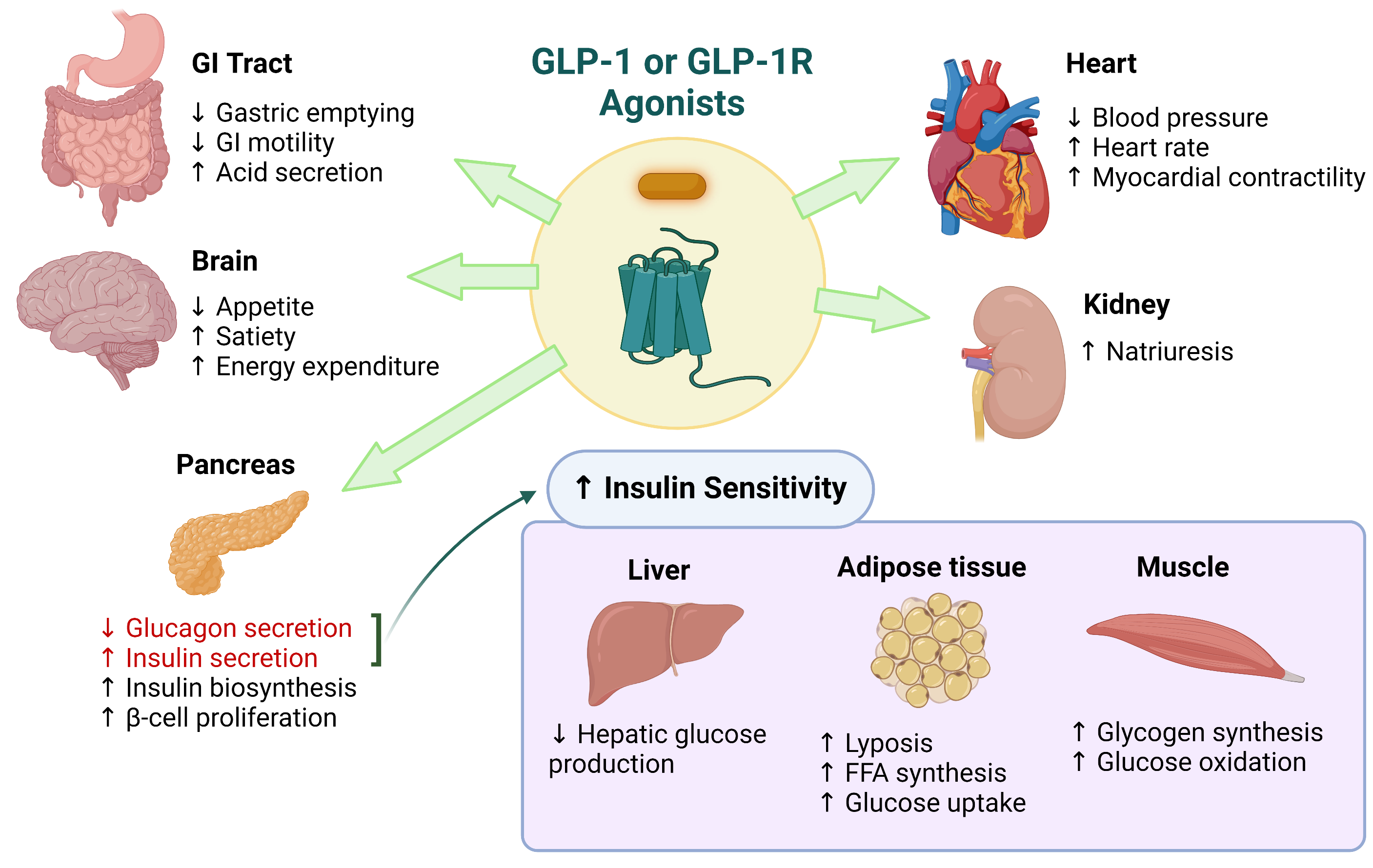
Retatrutide (LY3437943) is a synthetic peptide analog designed as a triple hormone receptor agonist, targeting the glucose-dependent insulinotropic polypeptide (GIP), glucagon-like peptide-1 (GLP-1), and glucagon receptors.[1][2] It has a molecular weight of approximately 4,800 Da and is administered subcutaneously, with a half-life supporting once-weekly dosing.[3][4] Developed by Eli Lilly, it is currently in Phase 3 clinical trials for obesity and type 2 diabetes (T2D), showing potential for superior weight loss compared to existing therapies.[1][5] Key characteristics for compounding pharmacies include: Multi-Receptor Agonist : Combines actions of GIP, GLP-1, and glucagon for enhanced metabolic effects.[1][6] Lyophilized Form : Supplied as a stable powder for reconstitution, similar to other peptides.[7][8] Versatile Delivery : Primarily subcutaneous, but potential for customized formulations in research contexts.[7][9] This makes Retatrutide a candidate for specialized preparations in compounding settings, though regulatory restrictions apply

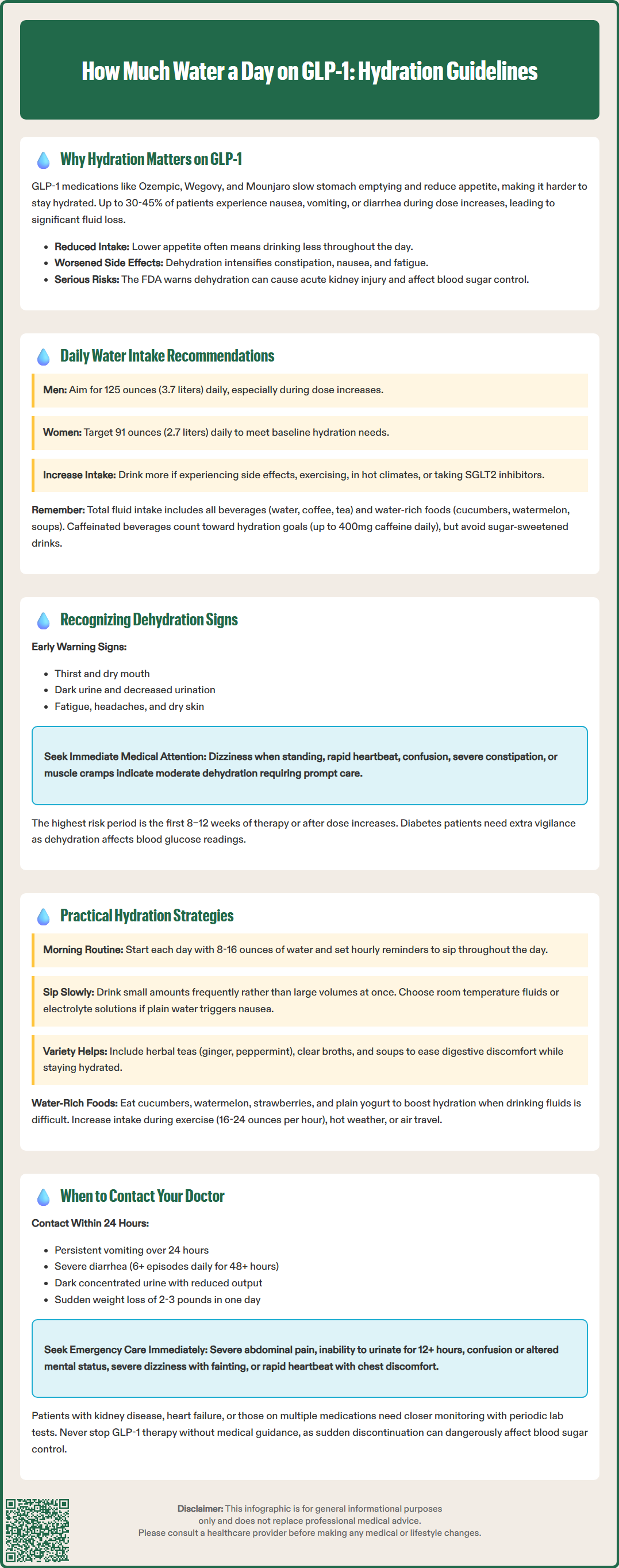
some people may experience mild fatigue that gets better over time, and others may experience more persistent tiredness, especially during the first few weeks of treatment or when the dose is increased
Below are some commonly asked questions that help explain how GLP-1 Max works and what users can expect from this supplement.