In addition to the expression in areas related to satiety, GLP-1R is present in several other areas in the CNS
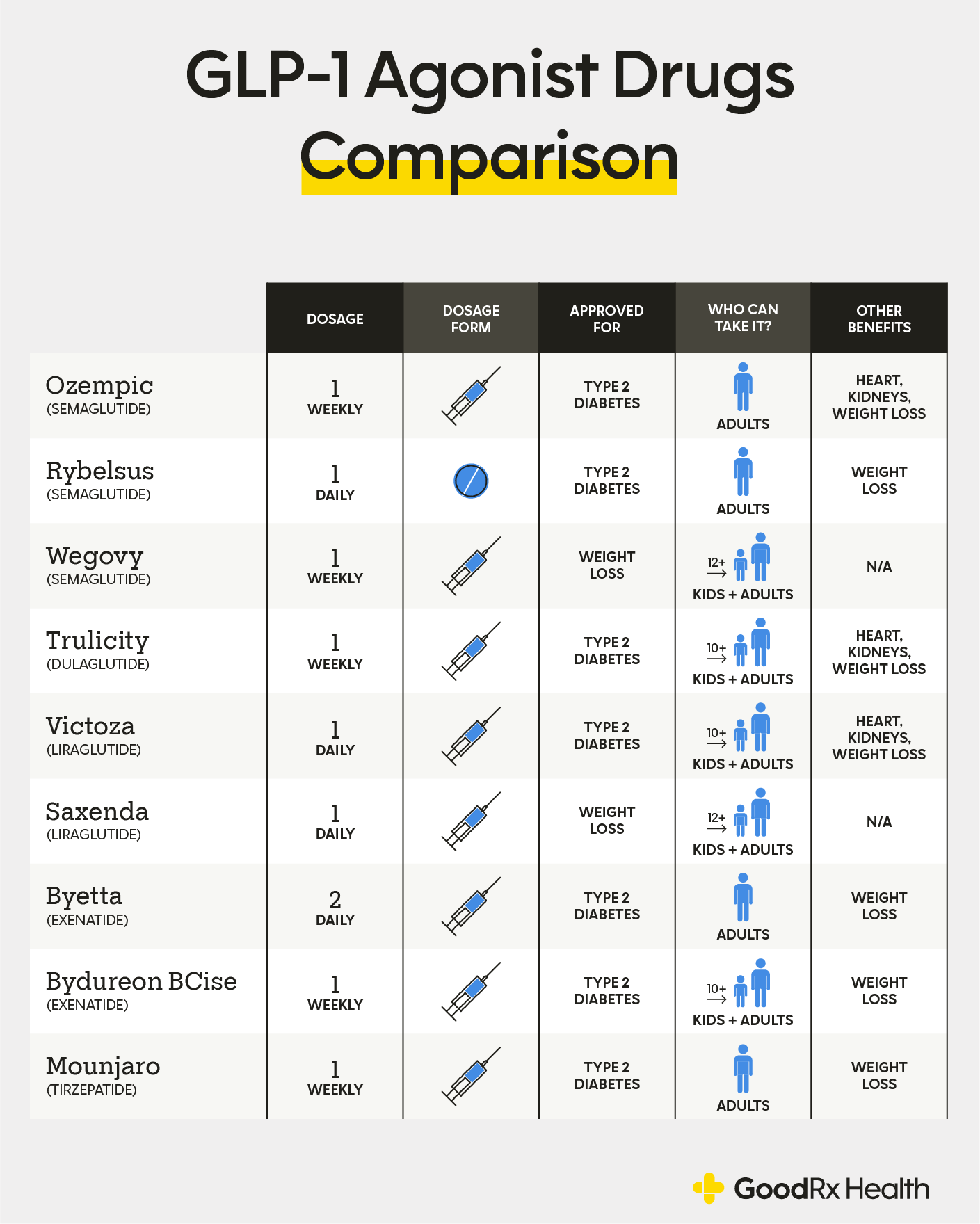
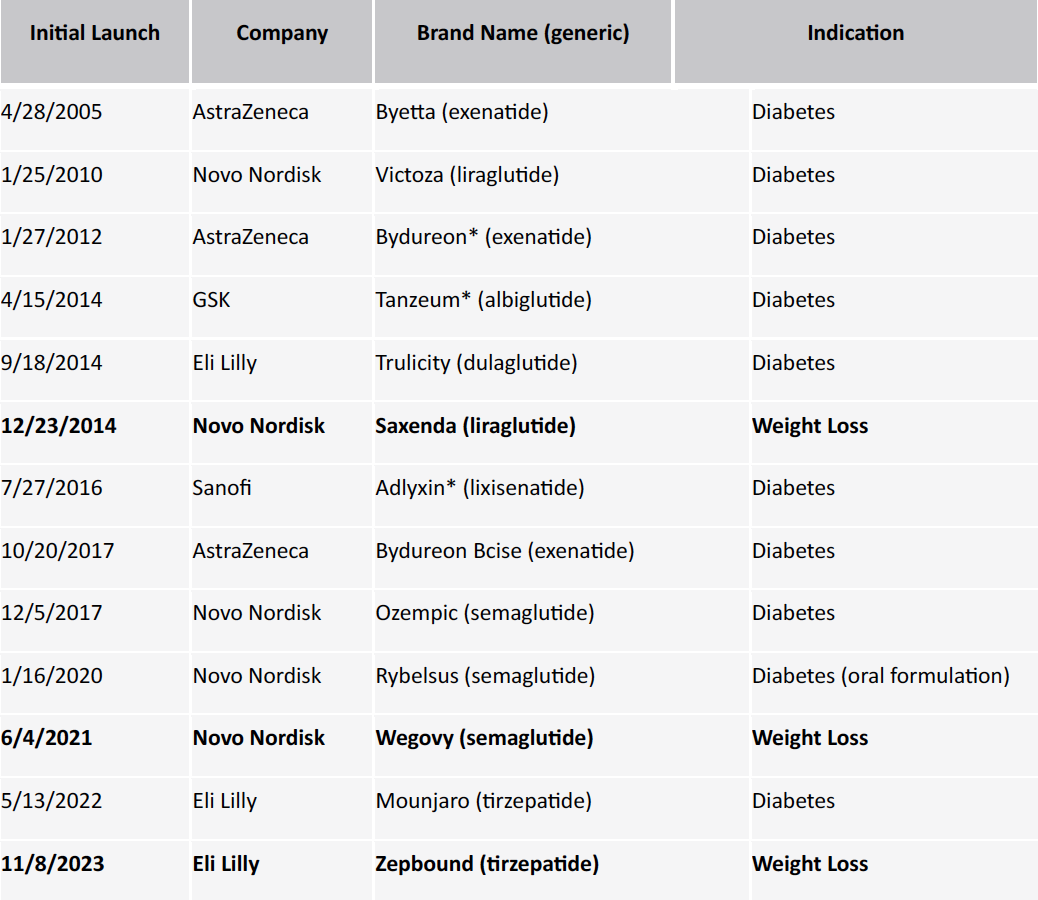
Long-Acting GLP-1 RAs Exenatide (Bydureon) In 1987, scientists discovered that GLP-1 promotes insulin secretion, and five years later, an entero-insulin analogue, Exendin-4, which is 53% homologous to GLP-1, was isolated from the saliva of the Mexican giant lizard, later known as exenatide, which has GLP-1 receptor agonist activity and a half-life of 2.4 hours
The total number of microorganisms in the human gut is higher (100 times) than the total number of human cells
During this phase, symptom scores tend to be lower, and cut-off points (CPs) for triggering alerts may differ from those used in active treatment (CPs, 4,6)