Symbiotic bacteria metabolize dietary lipid phosphatidylcholine and red meat component L-carnitine, which leads to the accumulation of TMAO, suggesting that our targeted inhibition of this reaction can reverse the accumulation of TMAO and improve the development of disease [172, 173]
[DOI] [PubMed] [Google Scholar] 14.Yang Y, Zhang J, Wu S, Deng Y, Wang S, Xie L, Li X, Yang L
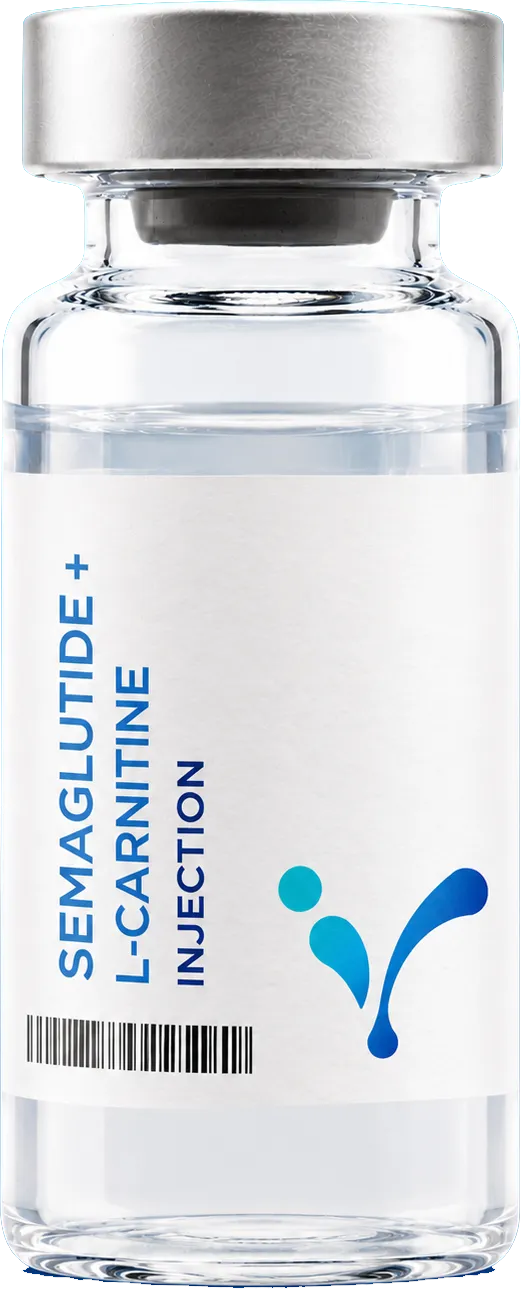
Commonly reported side effects include: Nausea, vomiting, or stomach cramps Diarrhoea or loose stools A distinctive 'fishy' body odour, caused by the production of trimethylamine a metabolic by-product of carnitine breakdown in the gut These gastrointestinal effects are more likely at higher doses, particularly above 3,000 mg per day, and are consistent with adverse effects described in the levocarnitine SmPC
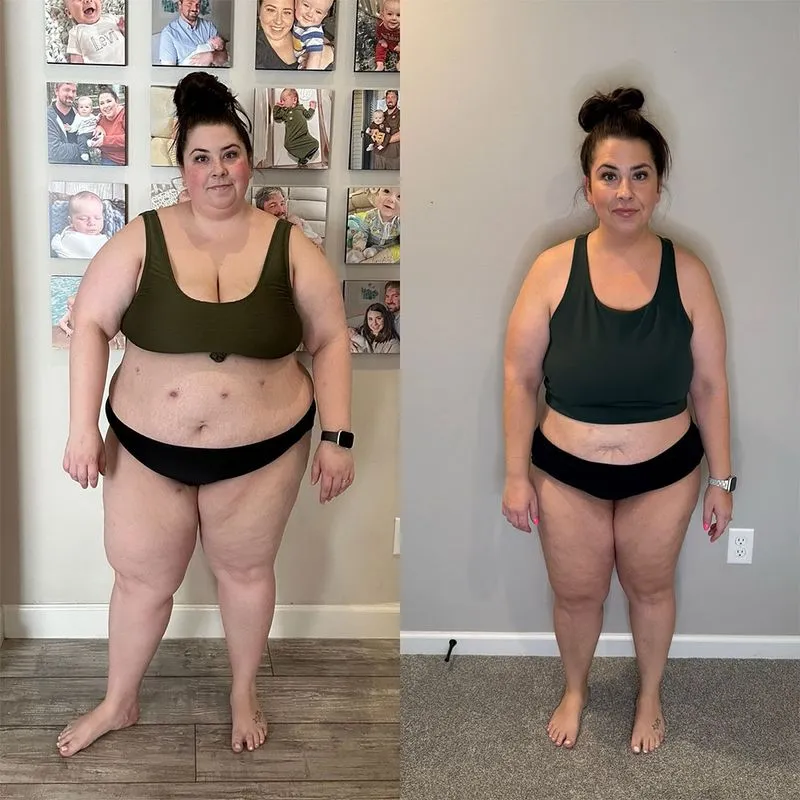
A healthy, balanced metabolism keeps results and weight management sustainable