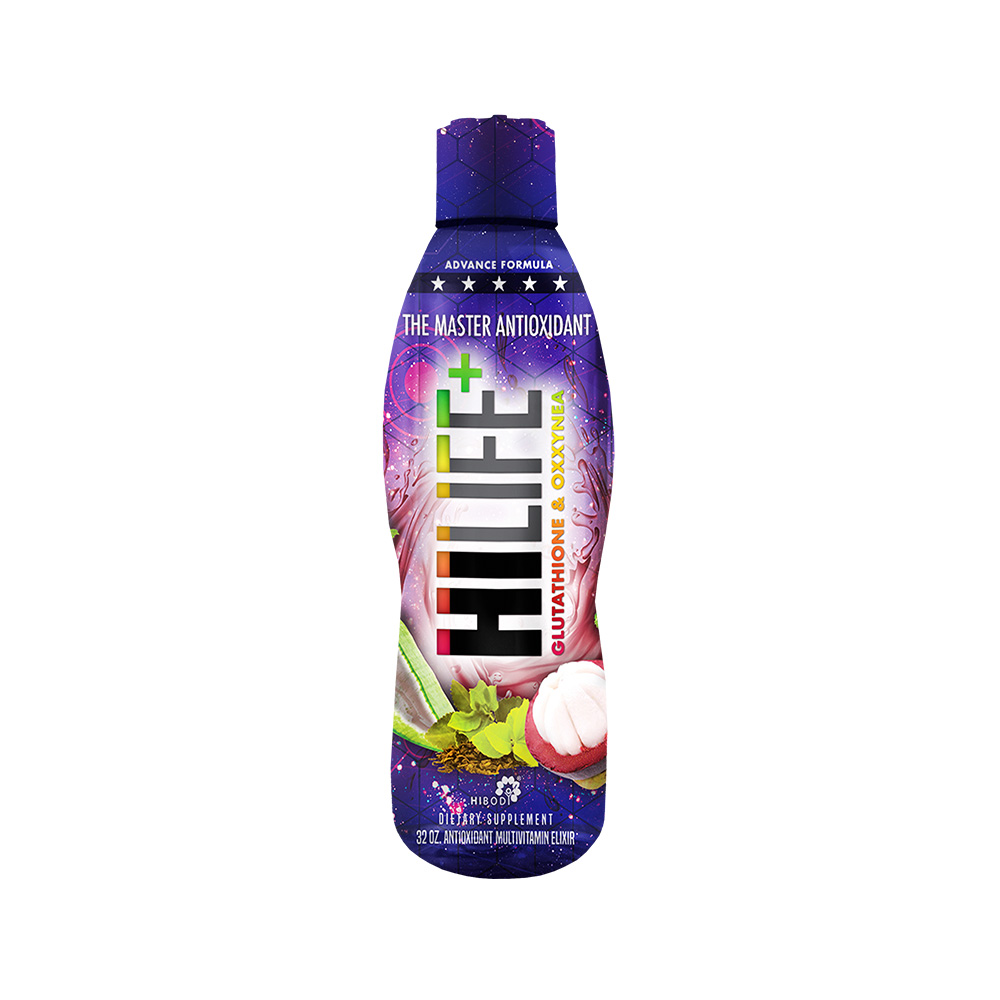
Patients with low glutathione levels may experience: Chronic fatigue Weakness Headaches Dizziness Problems sleeping Frequent illnesses Dermatitis Difficulty concentrating Painful joints Mood instability or depression There are also many chronic health conditions which are associated with low glutathione levels: autoimmune disorders fibromyalgia heart disease skin disorders To add to this frustration of chronic health condition sufferers, many of the more conventional treatments and prescription medications used to treat these conditions can further deplete glutathione levels in the body
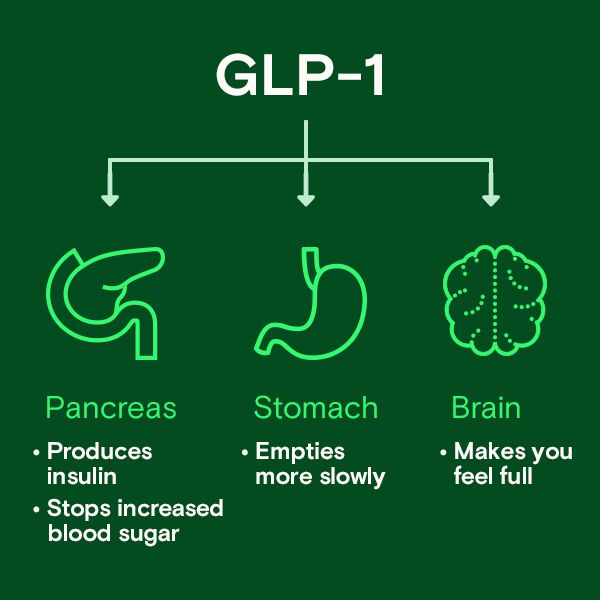
The food Im eating is biologic information thats activating hormones in my body, including GLP-1, Mozaffarian said, noting that healthy fats and high-fiber foods have been shown to trigger GLP-1 production
You could try to mitigate the course [of the disease], but it's not a curable disease. Saving at-risk neurons Scientists have known since the 1990s that insulin can improve the lives of cells affected by Alzheimers disease, fighting against the clumps of insulin-blocking, synapse-clogging beta-amyloid that build up outside of diseased cells
Some MPs have said, I would need some compelling evidence to agree to do this. As if being restricted to just 4 lifesaving, cheap, injections a year isnt compelling enough