A major advance came in 1913, when Santiago Ramn y Cajal, using the gold-sublimate method, described two key astrocyte subtypes: Protoplasmic astrocytes, found in grey matter and marked by fine, elaborate processes, and fibrous astrocytes, present in white matter and distinguished by longer, fiber-like extensions
Once reconstituted with bacteriostatic water, AHK-Cu maintains full potency for 28 days at 28C refrigeration
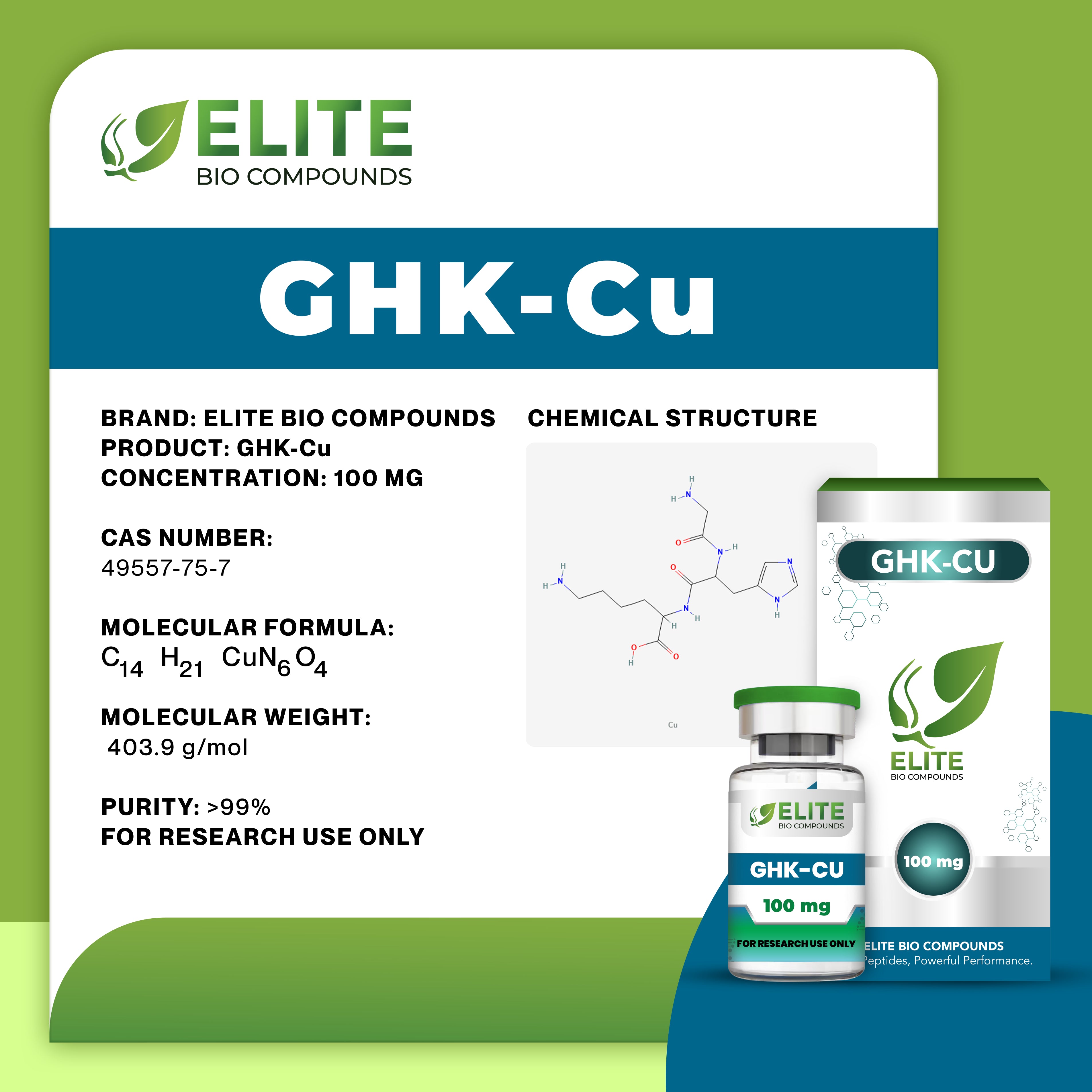
As the compound has moved through late-stage clinical d The phrasing critical handling protocols for retatrutide research studies carries an implicit assumption worth unpacking before anything else: that retatrutide is an Short answer: The honest, evidence-cautious response is that GHK-Cu does not currently have the kind of evidence that would let anyone say it prevents chronic obstru KLOW is a fixed-ratio research blend that packs four separate peptides into a single 80 mg vial: GHK-Cu (50 mg), BPC-157 (10 mg), TB-500 (10 mg), and KPV (10&n The question in this articles title reads like a settled clinical fact: that glucagon-like peptide-1 (GLP-1) receptor agonists do regulate lipid metabolism in atherogenic d The question in this articles title does Glow peptide stimulate fibroblast activity to enhance dermal elasticity
Medically unexplained symptoms