did john gotti smoke cigarettes
Shipping Estimate
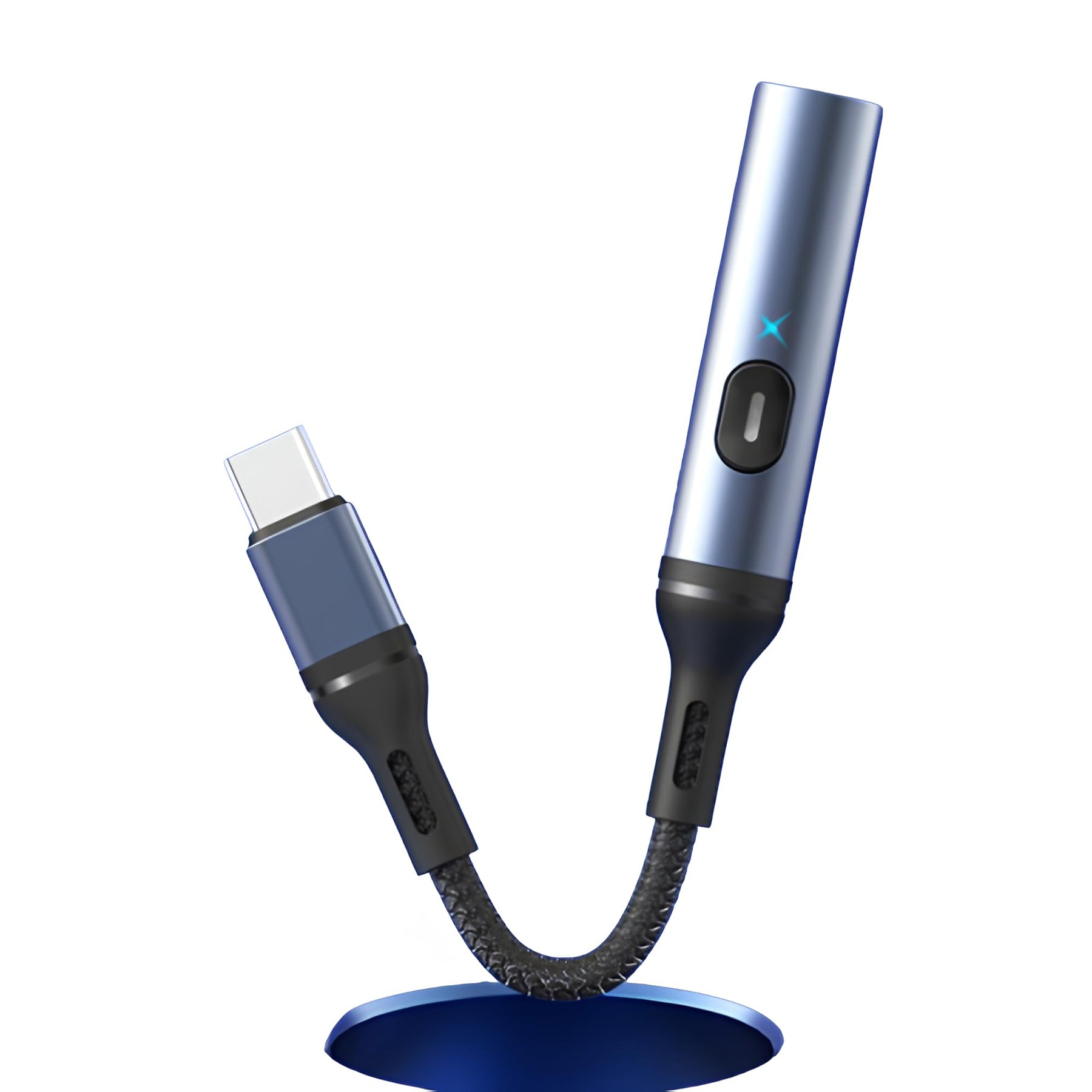
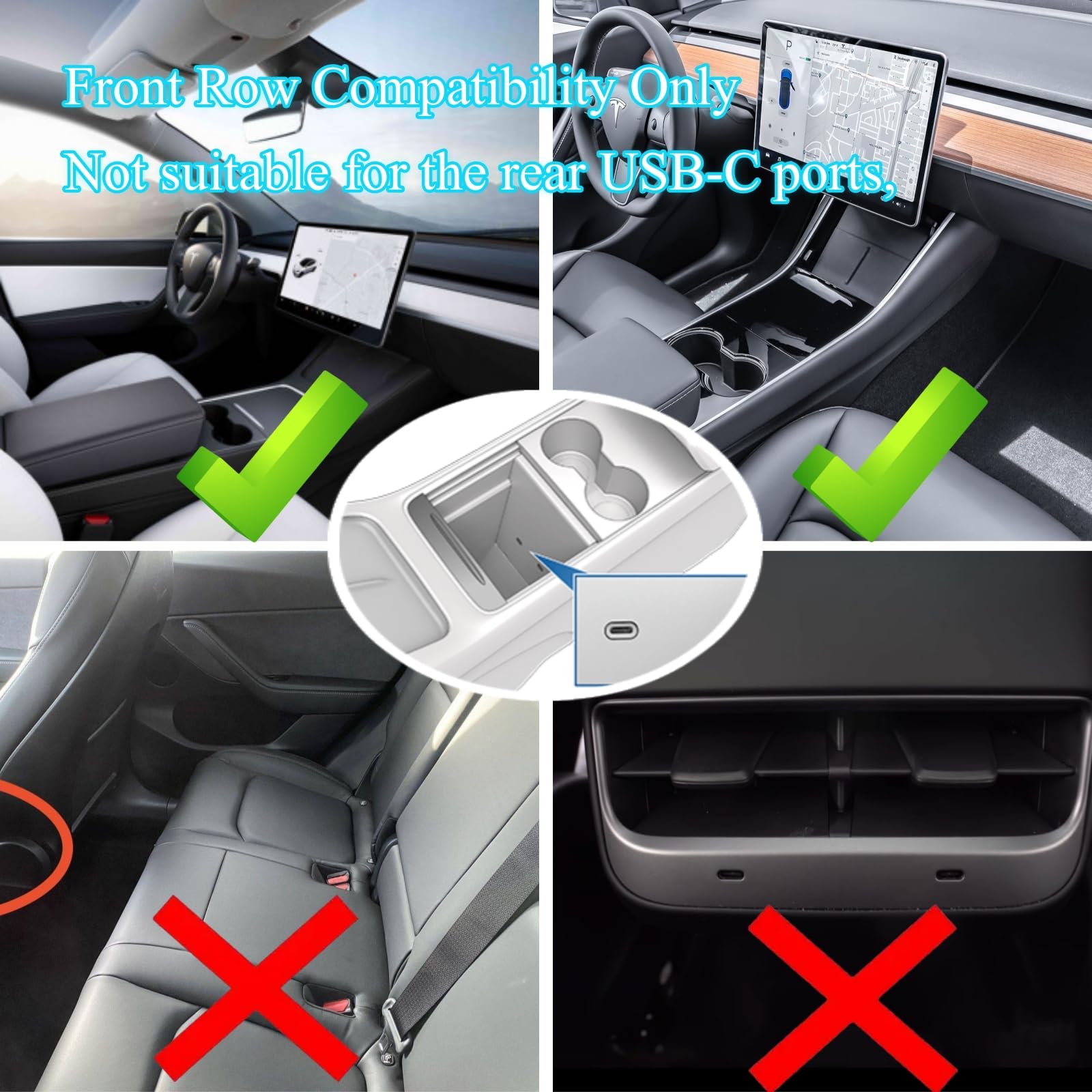
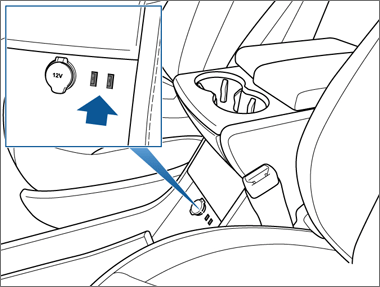
did john gotti smoke cigarettes Adding 12v Auxiliary Power Port to Frunk of Tesla Model 3 / Y / S / X 65W Charging Adapter for Tesla
USD27.72
USD74.72
Pay in 4 interest-free payments of $6.93 Learn more
Shipping Estimate
USA
- USA
- CAN
- USA
- CAN
Ships within 48 hours · Estimated delivery Aug 8 - Aug 13












![Poll: U.S. Smoking Rate Falls To Historic Low [Infographic]](https://blogs-images.forbes.com/niallmccarthy/files/2018/07/20180726_Smoking_Rate-1.jpg)