Those under 21 years are prohibited from buying alternative tobacco products, including e-cigarettes.6,7,9 Distribution of free vapor products to persons under age 21 or within 500 feet of places when they are primarily in use by minors is prohibited.9 Retailers making delivery sale of vapor products must use a method that requires the signature of a person at least 21 years of age before the package is released.9 Local tobacco laws Iowa City prohibits the use of tobacco products, including electronic cigarettes and chewing tobacco, throughout all parks except in privately owned vehicles.10 Quitting statistics and benefits Quitting smoking in Iowa The CDC estimates 42.4% of daily adult smokers in Iowa quit smoking for one or more days in 2019.3 In 2014, the Affordable Care Act required Medicaid programs cover all quit medications.7** Iowas state quit line invests $1.22 per smoker, compared with the national median of $2.37.7 Iowa does not have a private insurance mandate provision for quitting tobacco.7 Notes and references Notes and references Updated June 2023 *National and state-level prevalence numbers reflect the most recent data available

In this ICD-10 F17 category, the sixth character identifies the clinical status of the dependence and is reported as follows: 0 Uncomplicated 1 In remission 3 With withdrawal 8 With other nicotine-induced disorders With unspecified nicotine-induced disorders For example: F17.210 Nicotine dependence, cigarettes, uncomplicated ICD-10 codes for nicotine dependence: F17.20- Nicotine dependence, unspecified F17.200 Nicotine dependence, unspecified, uncomplicated F17.201 Nicotine dependence, unspecified, in remission F17.203 Nicotine dependence, unspecified, with withdrawal F17.208 Nicotine dependence, unspecified, with other nicotine-induced disorders F17.209 Nicotine dependence, unspecified, with unspecified nicotine-induced disorders F17.21- Nicotine dependence, cigarettes F17.210 Nicotine dependence, cigarettes, uncomplicated F17.211 Nicotine dependence, cigarettes, in remission F17.218 Nicotine dependence, cigarettes, with other nicotine-induced disorders F17.219 Nicotine dependence, cigarettes, with unspecified nicotine-induced disorders F17.22- Nicotine dependence, chewing tobacco F17.220 Nicotine dependence chewing tobacco uncomplicated F17.223 Nicotine dependence chewing tobacco in remission F17.228 Nicotine dependence chewing tobacco with other nicotine-induced disorders F17.229 Nicotine dependence chewing tobacco with unspecified nicotine-induced disorders F17.29- Nicotine dependence, other tobacco product F17.290 Nicotine dependence, other tobacco product uncomplicated F17.291 Nicotine dependence, other tobacco product in remission F17.293 Nicotine dependence, other tobacco product with withdrawal F17.298 Nicotine dependence, other tobacco product with other nicotine induced disorders F17.299 Nicotine dependence, other tobacco product with unspecified nicotine induced disorders Reporting Tobacco Use without Dependence When a patient uses tobacco but dependence is not documented, a Z code from category Z72.0 (Tobacco use) is assigned

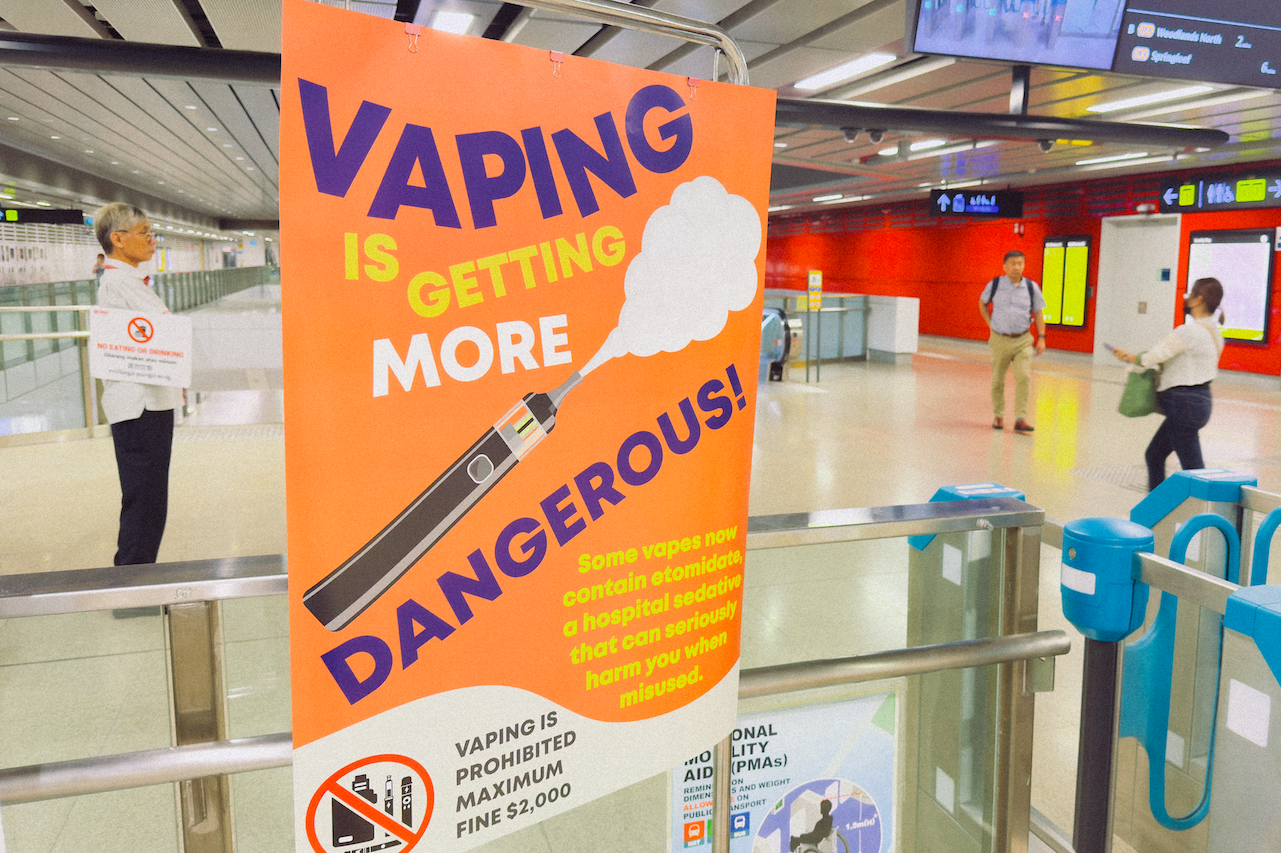
The basics E-cigarettes are battery-operated units that vapourise fluids into such fine particles that they can be inhaled deep into the lungs
2 It is better to be safe than sorry
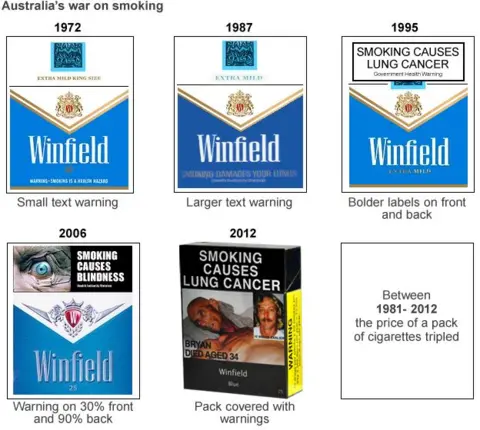

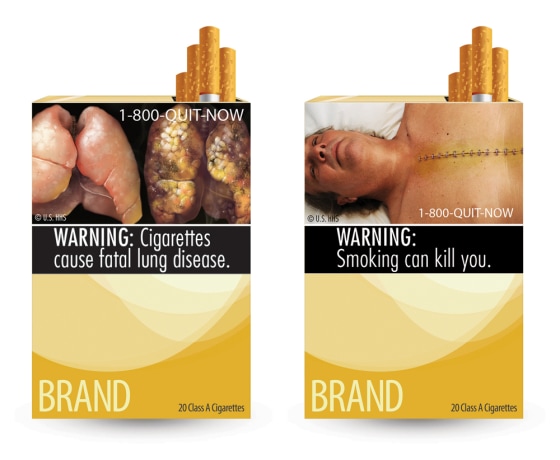
/https://tf-cmsv2-smithsonianmag-media.s3.amazonaws.com/filer/20121114093201tobacco-pack-designs-small.jpg)






















![Scooby Doo! Night Of 100 Frights [Greatest Hits] (PlayStation 2 / PS2) Option:Jeu, manuel et boîte](https://cdn.shopify.com/s/files/1/0037/2444/3737/files/20240215-DSCN4116.jpg?v=1708028669)
