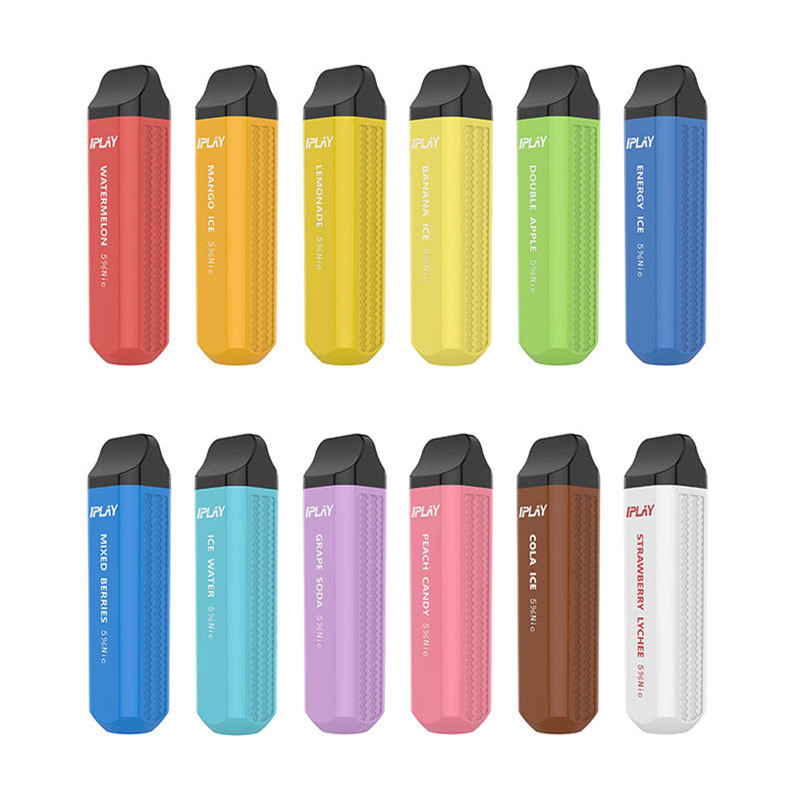
Here, we review of the epidemiology of e-cigarette use in teenagers and young adults and associated health risks, theoretical mechanisms, and management, including prevention as well as interventions and policies
More than 1 million people across the world are diagnosed with sexually transmitted infections (STI) every day, the World Health Organization said

Higher abstinence rates In addition to e-cigarettes being almost twice as effective, the researchers found that: The participants comprised largely of middle aged dependent smokers, with 40 per cent entitled to free prescriptions (a marker of social disadvantage or poor health) Abstinence rates were higher in the e-cigarette arm at all time points Among abstainers, e-cigarette participants were more likely to use their allocated product at 52 weeks than nicotine replacement participants (79.8 per cent vs 9.1 per cent) Among participants who did not achieve full abstinence, more e-cigarette users achieved a carbon monoxide-validated reduction of smoking by at least 50 per cent Adherence was similar in both arms, but e-cigarettes were used more frequently and for longer E-cigarette participants reported more throat/mouth irritation (65.4 per cent vs 50.8 per cent) and nicotine replacement participants reported more nausea (37.8 per cent vs 31.4 per cent) E-cigarette participants reported greater decline in incidence of cough and phlegm production after 52 weeks Both products were perceived as less satisfying than cigarettes, but e-cigarettes provided higher satisfaction and were rated as more helpful than nicotine replacement treatment E-cigarette arm abstainers experienced less severe urges to smoke at 1 and 4 weeks post-quit date
Research on something called non-exercise activity thermogenesis (NEAT) shows that everyday movement (walking, standing, doing chores) can make a meaningful difference in long-term weight regulation